carburizing agent
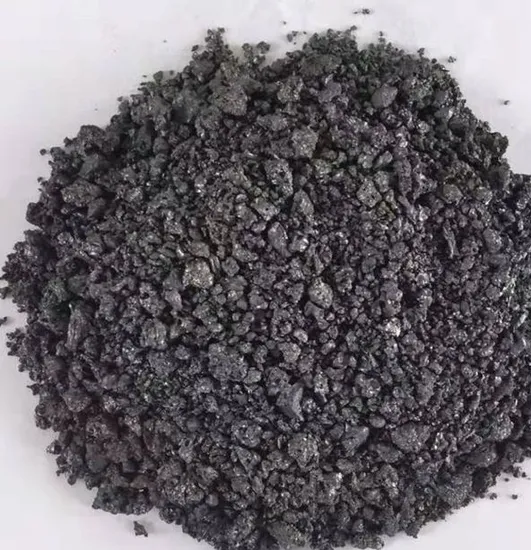
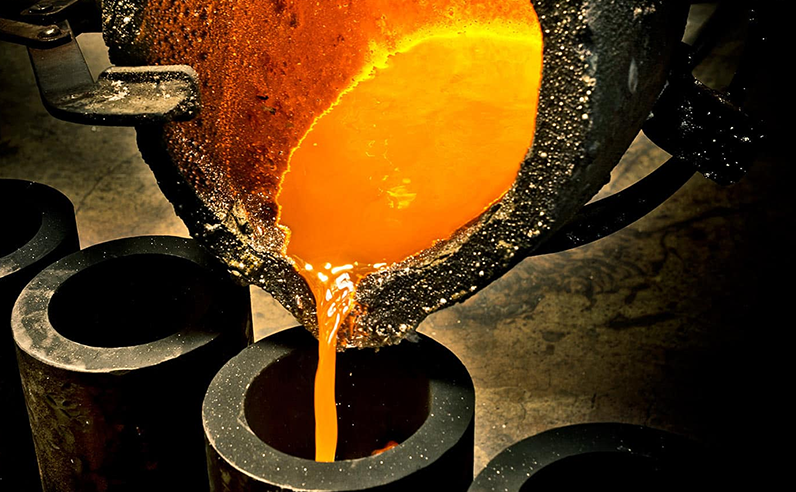
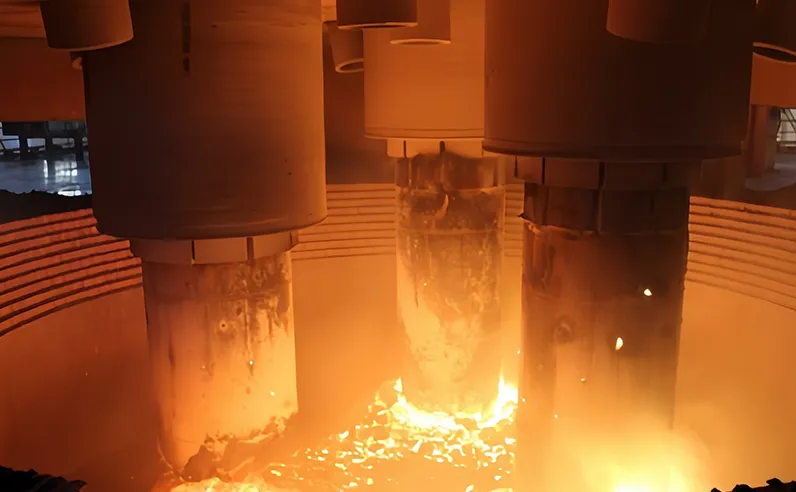
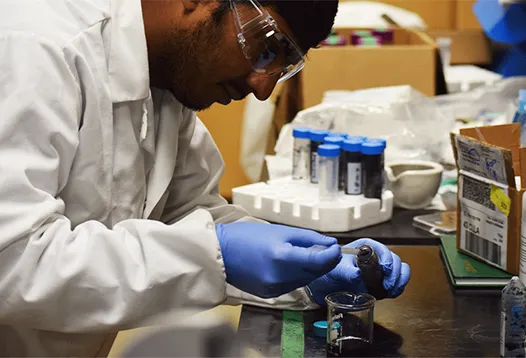
Understanding Carburizing Agents and Their Broad Applications In the demanding world of metallurgy, the precise control of carbon content is paramount for achieving desired material properties. A critical component in this process is the carbon raiser, also known as a recarburizer or carburizing agent. These materials are indispensable for adjusting carbon levels in molten metals, particularly in iron and steel casting, directly influencing the final product's strength, hardness, and wear resistance. This comprehensive guide delves into the intricate details of carbon raiser uses , exploring their manufacturing processes, technical specifications, diverse application scenarios, and the tangible advantages they offer to industrial operations. We will also address industry trends, vendor comparisons, and the critical role of customized solutions, providing a holistic view for B2B decision-makers and technical professionals. The Manufacturing Process of Advanced Carburizing Agents The production of high-quality carburizing agents, such as our Customized Size 3-8mm Carburizing Agent for Foundry Casting, involves a series of meticulously controlled steps to ensure consistent performance and purity. These agents are primarily derived from carbonaceous materials like calcined petroleum coke (CPC), graphitized petroleum coke (GPC), or natural graphite. The manufacturing process is critical in determining the product's carbon content, purity, and dissolution rate, which are vital for efficient recarburization. Process Flow: From Raw Material to Refined Product Raw Material Sourcing & Selection: The foundation of a superior carburizing agent lies in its raw materials. For our high-purity graphite recarburizer, we primarily utilize high-quality calcined petroleum coke (CPC) or natural graphite, selected for their low ash, sulfur, and volatile matter content. For specialized applications, synthetic graphite or graphitized petroleum coke is chosen for its extremely high carbon content and graphitic structure, which offers enhanced solubility. Crushing and Grinding: The selected raw materials undergo crushing to reduce their size, followed by precision grinding to achieve a uniform particle size distribution. This step is critical for ensuring consistent reaction rates and efficient carbon dissolution in molten metal. Screening and Sizing: Advanced vibratory screens and sieving equipment are employed to classify the crushed material into specific size ranges. For our Customized Size 3-8mm Carburizing Agent, this precise sizing ensures optimal penetration and dissolution kinetics within the furnace, minimizing carbon loss and maximizing recovery. Graphitization (for Graphitized Grades): For producing graphitized petroleum coke (GPC) based recarburizers, the calcined petroleum coke undergoes a high-temperature graphitization process in an Acheson furnace, typically exceeding 2500°C. This transforms the amorphous carbon into a highly ordered graphitic structure, significantly increasing carbon purity (typically >98.5% fixed carbon), reducing resistivity, and improving stability, which are key for advanced applications in the carburising process. Quality Control & Testing: Throughout the production, rigorous quality control measures are implemented. Samples are regularly tested for fixed carbon content, ash, sulfur, nitrogen, volatile matter, moisture, and particle size distribution. These tests adhere to international standards such as ISO 9001 and internal specifications, ensuring every batch meets stringent performance criteria. Packaging: The finished product is carefully packaged in moisture-proof bags (e.g., 25kg bags, 1MT jumbo bags) to prevent contamination and maintain product integrity during storage and transport. The meticulous control at each stage guarantees that our carburizing agents deliver superior performance, contributing to reduced energy consumption and improved metallurgical properties, such as enhanced corrosion resistance in the final cast components. The service life of the resulting castings is directly impacted by the quality of the recarburization process, making the choice of carburizing agent paramount. Target industries include petrochemical, metallurgy, and water supply & drainage, where high-integrity metal components are essential. Industry Trends Shaping Carburizing Agent Demand The global metallurgical industry is experiencing significant transformations driven by technological advancements, environmental regulations, and evolving material demands. These trends directly influence the market for carburizing agents and necessitate continuous innovation in product development. Electrification of Foundries: The shift towards electric arc furnaces (EAFs) and induction furnaces is growing due to lower emissions and operational flexibility. EAFs often require higher quality, lower sulfur carbon sources, boosting demand for graphitized petroleum coke and synthetic graphite recarburizers. Demand for High-Performance Alloys: Industries like automotive, aerospace, and renewable energy are increasingly demanding high-strength, lightweight, and wear-resistant alloys. Achieving these properties often requires precise control of carbon equivalent and microstructure through effective recarburization, driving the need for advanced graphite recarburizer solutions. Environmental Regulations: Stricter environmental policies globally are pushing foundries to minimize emissions, including sulfur. This elevates the importance of low-sulfur carburizing agents, moving away from high-sulfur alternatives like certain types of anthracite. Raw Material Volatility: Fluctuations in the availability and pricing of raw materials like petroleum coke and natural graphite compel suppliers to optimize production processes and offer diverse product portfolios to ensure supply chain stability for foundries. Digitalization and Process Optimization: Advanced metallurgical processes are increasingly relying on real-time data and AI for process optimization. This includes precise dosing of carburizing agents to achieve specific carbon levels, requiring consistent product quality and reliable dissolution kinetics. These trends highlight a growing emphasis on product purity, consistency, and performance in carburizing agents, making the choice of supplier and product specifications more critical than ever. Technical Specifications of Our Customized Carburizing Agent Our Customized Size 3-8mm Carburizing Agent is engineered to meet the stringent requirements of modern foundry and steelmaking operations. The technical parameters are carefully controlled to ensure maximum carbon recovery and minimal impurity introduction into the melt. Understanding these specifications is crucial for optimizing the carbon raiser uses in various metallurgical applications. Key Product Specifications Parameter Typical Value (Customized 3-8mm Carburizing Agent) Testing Standard Fixed Carbon (Min) 98.5% ISO 10174:1999 Sulfur (Max) 0.03% ASTM D4239 Ash (Max) 0.5% ISO 1171:2010 Volatile Matter (Max) 0.5% ISO 5071-1:1997 Nitrogen (Max) 80 ppm ASTM E1019 Moisture (Max) 0.5% ISO 589:2008 Particle Size 3-8 mm (90% min) ISO 1953:1994 Real Density 2.23 g/cm³ ASTM D2638 These specifications underscore the product's high purity and consistency, vital for precision metallurgy. The low sulfur and nitrogen content are particularly important for producing high-quality ductile iron and steel, where these elements can have detrimental effects on mechanical properties and weldability. The precise sizing ensures optimal dissolution rates and minimizes loss during the melting process. This high-purity graphite recarburizer is a cornerstone for advanced metal production. Diverse Application Scenarios: Where Carbon Raisers Excel The range of carbon raiser uses is extensive, covering various facets of the metal casting and steelmaking industries. Their primary function is to adjust the carbon content in molten metal, but their impact extends to improving fluidity, reducing shrinkage, enhancing machinability, and optimizing mechanical properties. The carburising process is fundamental here. Key Application Areas: Gray Iron Casting: Carbon raisers are essential for achieving the desired carbon equivalent (CE) in gray iron. Proper CE levels lead to improved fluidity of the molten metal, better feeding characteristics, reduced chill, and the formation of desirable flake graphite structures, which enhance machinability and damping capacity. Ductile Iron Casting: In ductile iron production, carburizing agents are crucial not only for carbon adjustment but also for promoting the formation of spherical graphite nodules. A high-quality graphite recarburizer with low impurities helps to prevent the formation of deleterious carbides, ensuring the desired ductility and strength, which is the essence of a well-carburized meaning in this context. Steelmaking (Electric Arc Furnaces and Induction Furnaces): In steel production, especially in EAFs and induction furnaces, carbon raisers are used to recarburize the melt to the target carbon specification. They also act as slag formers or deoxidizers in certain applications. The low nitrogen content of our agents is particularly beneficial in steel to avoid nitride formation, which can impair mechanical properties. Special Alloy Production: For specialized alloys requiring precise carbon control, such as high-chromium cast irons or wear-resistant steels, high-purity carburizing agents ensure that the carbon addition does not introduce unwanted tramp elements that could compromise the alloy's performance. Brake Lining and Friction Materials: Beyond traditional metallurgy, specific grades of carbon raisers are employed as a component in brake linings and other friction materials, contributing to the material's wear characteristics and heat dissipation properties. Here, the carburization of components for enhanced surface hardness is a distinct application. These diverse applications underscore the versatility and critical importance of high-quality carburizing agents in modern industrial processes, emphasizing their role in achieving both economic efficiency and superior material performance. Technical Advantages and Performance Benefits Employing a premium carburizing agent offers numerous technical and economic advantages over inferior carbon sources or alternative methods. These benefits translate directly into improved product quality, reduced operational costs, and enhanced process efficiency, particularly when considering the broader impact of carbon raiser uses . Key Advantages: High Carbon Recovery Rate: Our graphitized recarburizer boasts a carbon recovery rate typically exceeding 90%. This high efficiency means less material is needed to achieve the target carbon level, leading to lower consumption and cost savings. Low Impurity Introduction: With extremely low levels of sulfur (typically <0.03%), nitrogen (<80 ppm), and ash (<0.5%), our carburizing agent minimizes the introduction of harmful elements into the melt. This is critical for preventing defects, improving mechanical properties (e.g., toughness, ductility), and ensuring the integrity of subsequent heat treatments like the carburising process. Excellent Solubility and Dissolution Kinetics: The unique crystalline structure of graphitized carbon ensures rapid and complete dissolution in molten metal, minimizing carbon "floaters" and reducing melt time. This uniform carbon distribution prevents segregation and ensures consistent metallurgical properties throughout the casting. Stable Performance: Consistent particle size and chemical composition across batches guarantee predictable performance. This reduces the need for frequent adjustments and mitigates the risk of off-specification products. Reduced Furnace Lining Wear: The low reactivity and purity of our carburizing agents contribute to less interaction with refractory materials, potentially extending the service life of furnace linings and reducing maintenance costs. Improved Casting Quality: By facilitating precise carbon control and promoting beneficial microstructure formation, our agents help produce castings with fewer defects, better mechanical properties, and improved surface finish, ultimately leading to higher yield and reduced rework. Energy Saving: Efficient dissolution and high carbon recovery contribute to shorter melt times and reduced energy consumption per ton of metal produced. These advantages collectively enhance the overall efficiency and quality of metallurgical operations, reinforcing the value proposition of choosing a high-grade carburizing agent. Vendor Comparison: Choosing the Right Carburizing Agent Selecting the appropriate carburizing agent and supplier is a strategic decision that impacts production costs, product quality, and environmental compliance. While numerous options exist, understanding the nuances between different types of recarburizers and vendor capabilities is crucial for optimizing your carbon raiser uses . Comparison of Common Carburizing Agents Feature Graphitized Petroleum Coke (GPC) / Synthetic Graphite Recarburizer Calcined Petroleum Coke (CPC) Anthracite Coal Fixed Carbon Content 98.5% - 99.5% 97% - 98% 90% - 92% Sulfur Content (Max) 0.03% - 0.05% 0.5% - 1.5% 0.5% - 1.5% Ash Content (Max) 0.5% - 1.0% 1.0% - 2.0% 8% - 12% Nitrogen Content (Max) 80 ppm - 300 ppm 500 ppm - 1000 ppm 3000 ppm - 5000 ppm Dissolution Rate Very High (Fast) High (Moderate) Low (Slow) Cost Per Ton Highest Moderate Lowest Environmental Impact Lowest impurities, cleaner process Higher sulfur/ash, more emissions Highest emissions, higher ash disposal While lower-cost alternatives like anthracite coal or some grades of CPC may seem attractive, their higher impurity levels (especially sulfur and ash) can lead to increased rejections, more slag, extended melt times, and environmental concerns. High-purity graphitized recarburizers, despite a higher initial cost, often prove more economical in the long run due to superior performance, reduced defects, and lower overall operational expenses, particularly for applications requiring precise control over the carburized meaning and final material properties. Customized Solutions for Optimal Performance Recognizing that every metallurgical process has unique requirements, we specialize in providing customized carburizing agent solutions. Our expertise lies in tailoring product specifications to precisely match your operational needs, ensuring maximum efficiency and cost-effectiveness in your carbon raiser uses . Tailoring to Your Needs: Granulometry (Particle Size): We can customize the particle size distribution to suit different furnace types (induction, EAF, cupola) and addition methods (ladle, furnace top, in-stream). From fine powders for coreless induction furnaces to larger granules (e.g., 3-8mm, 5-10mm) for arc furnaces, optimal sizing ensures efficient dissolution and minimal loss. Chemical Composition: While our standard products offer high purity, we can fine-tune specific parameters such as fixed carbon content (e.g., 98.5% to 99.5%), sulfur levels (ultra-low sulfur options), nitrogen content, and volatile matter to meet precise alloy specifications and environmental mandates. This might involve blending different carbon sources or more intensive processing steps. Packaging Solutions: From 25kg paper bags to 1MT or 1.25MT jumbo bags, and even custom container111 loading configurations, we offer flexible packaging options to integrate seamlessly with your material handling systems. Technical Consultation and Support: Our team of metallurgical experts works closely with clients to understand their specific challenges and recommend the most suitable carburizing agent formulation. This includes on-site trials and performance analysis to optimize usage. This commitment to customization ensures that clients receive not just a product, but a solution optimized for their unique production environment, leading to enhanced performance and efficiency. Application Case Studies: Real-World Impact Our carburizing agents have consistently delivered tangible benefits to a diverse range of clients globally. These case studies highlight the practical impact of optimized carbon raiser uses in improving metallurgical outcomes and operational efficiencies. Case Study 1: Automotive Foundry Enhances Ductile Iron Quality A leading automotive component foundry specializing in ductile iron castings for engine blocks faced challenges with inconsistent nodularity and occasional carbide formation. After switching to our Customized Size 3-8mm Graphitized Recarburizer, with its ultra-low sulfur and nitrogen content, they observed a significant improvement. Challenge: Variable nodularity (80-85%) and carbide formation, leading to increased rejections and post-casting heat treatment costs. Solution: Implementation of our high-purity graphitized recarburizer, specifically chosen for its consistent particle size and rapid dissolution. Results: Nodularity consistently improved to 90-95%, with a complete elimination of primary carbides. This resulted in a 15% reduction in casting rejections and a 10% decrease in overall processing costs due to optimized mechanical properties and reduced need for corrective heat treatments. The consistent performance aided the carburising process. Case Study 2: Steel Mill Achieves Tighter Carbon Control in EAF Production A steel mill operating electric arc furnaces (EAFs) struggled with carbon recovery inconsistencies and high sulfur pick-up from their existing recarburizer, affecting the quality of their high-grade alloy steels. Challenge: Carbon recovery varied, requiring excessive additions, and sulfur contamination was a persistent issue affecting final steel properties. Solution: Transitioned to our high-fixed carbon, ultra-low sulfur graphite recarburizer, tailored for EAF applications. Results: Achieved a consistent carbon recovery rate of over 95%, leading to a 12% reduction in recarburizer consumption. Sulfur levels in the final steel were reduced by 0.015%, meeting tighter specifications for sensitive applications. Overall, melt cycle times were shortened by an average of 5 minutes per heat, contributing to significant energy savings and increased throughput. This improved the carburized meaning of their steel. Frequently Asked Questions (FAQ) Q: What is the primary function of a carbon raiser? A: The primary function of a carbon raiser (recarburizer or carburizing agent) is to increase the carbon content in molten iron and steel to achieve specific metallurgical properties. It's crucial for adjusting the carbon equivalent and improving mechanical characteristics of castings and steels. Q: How do I choose the correct size of carburizing agent? A: The optimal particle size depends on the furnace type, melt temperature, and addition method. Generally, finer sizes (e.g., 0.5-5mm) are suitable for coreless induction furnaces, while larger sizes (e.g., 3-8mm or 5-10mm) are preferred for electric arc furnaces or ladle additions to ensure proper penetration and dissolution, making the selection based on specific carbon raiser uses . Q: What are the key impurities to look out for in a carburizing agent? A: Key impurities include sulfur, nitrogen, ash, and volatile matter. High levels of these can negatively impact the mechanical properties of the final metal, cause defects, and increase environmental emissions. Low-sulfur, low-nitrogen graphite recarburizers are generally preferred for high-quality castings and steels. Q: Can your carburizing agent be used for the carburising process of steel surfaces? A: While our carburizing agents are primarily designed for bulk carbon addition to molten metal (recarburization), the term 'carburising process' can also refer to surface hardening of steel by carbon diffusion. Different forms of carburant (like solid, liquid, or gas carburizers) are used for surface carburization. Our product focuses on melt carbon adjustment. Lead Time, Warranty, and Customer Support We are committed to providing reliable products and exceptional service to our B2B partners. Our operational efficiency and customer-centric approach ensure a seamless experience from inquiry to delivery and beyond. Lead Time & Fulfillment: Standard Products: For standard product specifications and sizes, typical lead times range from 7 to 14 business days, depending on order volume and destination. We maintain strategic inventory levels to facilitate prompt dispatch. Customized Orders: Customized orders, including specific particle sizes or chemical compositions, typically require 14 to 28 business days for production and quality assurance. Our sales team will provide a precise lead time upon order confirmation. Logistics: We offer flexible shipping options, including sea freight, air freight, and land transport, leveraging a global network of logistics partners to ensure timely and cost-effective delivery worldwide. Warranty Commitments: All our carburizing agents come with a comprehensive product quality warranty. We guarantee that our products will meet or exceed the specified technical parameters as per the Certificate of Analysis (CoA) provided with each shipment. Should any product deviate from these specifications, we commit to prompt resolution, including replacement or credit, subject to our standard terms and conditions. Our manufacturing facilities are ISO 9001 certified, reflecting our unwavering commitment to quality management. Customer Support & Technical Assistance: Dedicated Account Management: Each client is assigned a dedicated account manager to streamline communication and provide personalized service. Expert Technical Support: Our team of metallurgical engineers and product specialists is available to provide technical consultation, usage recommendations, and troubleshooting support to optimize your processes. After-Sales Service: We provide robust after-sales support, addressing any queries or concerns promptly to ensure continued satisfaction and optimal product performance. Our commitment extends beyond product delivery to fostering long-term partnerships built on trust, reliability, and technical excellence. Conclusion The strategic selection and application of high-quality carburizing agents are pivotal for achieving metallurgical excellence in modern foundry and steelmaking operations. From ensuring precise carbon control in gray and ductile iron to meeting stringent specifications in alloy steels, the diverse carbon raiser uses underscore their indispensable role. By prioritizing purity, consistency, and customized solutions, businesses can unlock significant advantages in terms of product quality, operational efficiency, and cost-effectiveness. Our Customized Size 3-8mm Carburizing Agent stands as a testament to this commitment, offering superior performance backed by rigorous quality control and dedicated technical support, ensuring that our clients remain at the forefront of metallurgical innovation. References Campbell, J. (2015). Complete Casting Handbook: Metal Casting Processes, Metallurgy, Techniques and Design. Butterworth-Heinemann. ASM International. (2000). ASM Handbook, Volume 15: Casting. ASM International. Davies, J. R. (2006). Carburization in Steel. In Encyclopedia of Materials: Science and Technology. Elsevier. International Organization for Standardization (ISO) Official Website. www.iso.org